
How Does Metal Wall Cladding Protect Brisbane Properties from Heat, Rain and Corrosion?
Brisbane’s climate can present several challenges for residential and commercial buildings. Strong sunlight, heavy rainfall, humidity and changing weather conditions can gradually affect exterior walls. Choosing the right wall cladding helps protect the building while maintaining its appearance and supporting indoor comfort.
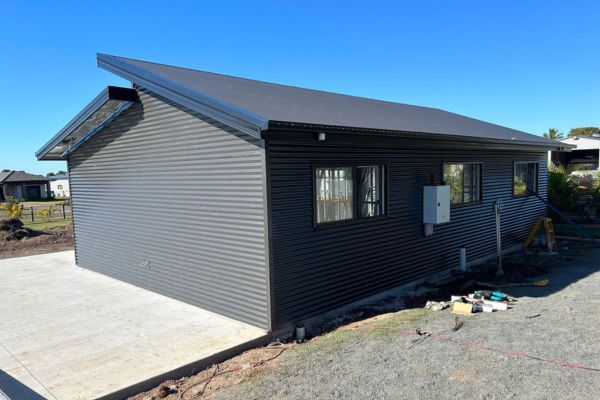
Metal wall cladding is a practical option for property owners who want a durable, modern exterior. Available in aluminium, steel and Colorbond finishes, it combines weather resistance with a range of colours and panel designs. But how does it protect buildings against Brisbane’s conditions?
How Does Metal Wall Cladding Reduce Heat Build-Up?
Brisbane summers can make buildings uncomfortable, particularly when exterior walls receive direct sunlight throughout the day. Certain metal cladding finishes can reflect a portion of the sun’s radiation, helping reduce the amount of heat absorbed by the building.
The final result depends on the panel colour, coating, wall construction and insulation. When metal cladding is combined with suitable insulation and an appropriately designed wall cavity, it can help manage heat transfer and support more comfortable indoor temperatures.
For homes, offices and commercial buildings, selecting the right cladding system can contribute to a more energy-efficient building design.
Can Metal Wall Cladding Protect Buildings from Heavy Rain?
Heavy rainfall can expose weaknesses in a building’s exterior, particularly around joints, corners, windows and other openings. A properly designed and installed metal wall cladding system creates an additional protective layer against the elements.
Panels are fitted with suitable flashings, joints and drainage details to help direct water away from vulnerable areas. Correct installation is essential because poorly sealed connections or inadequate drainage can allow moisture to enter the wall structure.
Property owners should consider the building’s exposure to wind-driven rain when selecting a cladding profile and installation method. Professional planning helps ensure the system suits the building’s design and local weather conditions.
How Does Metal Cladding Resist Corrosion?
Moisture and humidity can contribute to corrosion when metal surfaces are not adequately protected. This is an important consideration in Brisbane and nearby coastal areas, where some properties may also experience exposure to salt-laden air.
Aluminium naturally forms a protective oxide layer, making it resistant to rust. Steel cladding generally relies on suitable protective coatings and finishes to help prevent corrosion and preserve its appearance.
The best option depends on the property’s location, exposure conditions and maintenance requirements. Selecting appropriate materials, avoiding incompatible metal contacts and addressing damaged coatings promptly can help improve long-term performance.
Which Metal Cladding Material Is Best for Brisbane Properties?
Different materials offer different advantages, so the right choice depends on the building’s requirements.
Aluminium cladding: Lightweight and naturally corrosion-resistant, making it suitable for many architectural applications.
Steel cladding: Provides strength and durability when supplied with an appropriate protective coating for the installation environment.
Colorbond wall cladding: Offers a range of colours and profiles, allowing property owners to coordinate exterior walls with other building features.
Before choosing a material, consider the building’s location, appearance, budget, exposure to moisture and ongoing maintenance needs. The fixing system, substrate and overall wall design are also important to the final result.
What Maintenance Helps Metal Wall Cladding Last Longer?
Although metal wall cladding is generally low-maintenance, periodic checks can help identify issues before they become more serious.
Property owners should look for damaged panels, loose fixings, deteriorating sealants, blocked drainage points and signs of corrosion. Cleaning should follow the material manufacturer’s recommendations, particularly in areas exposed to salt or airborne contaminants.
Avoid using harsh cleaning products or abrasive tools that could damage protective coatings. Any damaged sections should be assessed and repaired using compatible materials to help maintain the cladding system’s performance.
Is Metal Wall Cladding Suitable for Homes and Commercial Buildings?
Metal wall cladding can suit a wide range of projects, including contemporary homes, renovations, offices, retail premises and larger commercial buildings. Its variety of panel profiles, finishes and colours allows designers to create anything from a clean, understated exterior to a more distinctive architectural facade.
For Brisbane property owners, the main advantage is the combination of exterior protection, design flexibility and manageable maintenance. However, the performance of any cladding system depends on suitable material selection, correct installation and the building’s overall construction.
For professional advice on materials and installation options, Jinghi Cladding & Roofing provides metal cladding solutions for residential and commercial properties.
How Can You Choose the Right Metal Wall Cladding?
The right system should balance weather protection, corrosion resistance, appearance and long-term maintenance. Consider the building’s exposure to sun, rain and coastal conditions before deciding on aluminium, steel or Colorbond panels.
Explore the available metal wall cladding options in Brisbane to find a solution suited to your property’s design and practical requirements. With suitable materials and professional installation, metal cladding can help protect exterior walls while giving a building a durable, modern finish.