
The Difference Between Wall Cladding and Facade Cladding Explained
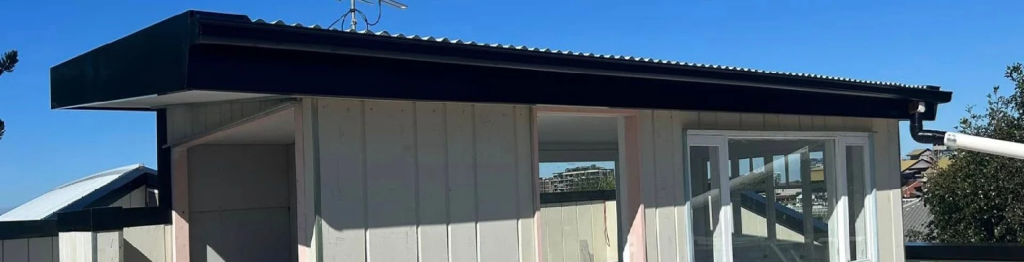
In modern construction, terms like wall cladding and facade cladding are often used interchangeably—but they’re not quite the same. Understanding the difference is key if you’re planning a building project in Brisbane or anywhere across Australia. Both play a crucial role in protecting and enhancing your structure, but they serve slightly different functions and aesthetic purposes.
What Is Wall Cladding?
Wall cladding refers to the application of material layers to the internal or external walls of a structure. Its primary role is to provide protection against moisture, weather, temperature changes, and physical damage. Wall cladding also helps improve thermal insulation and acoustics, especially in commercial and residential buildings.
Common wall cladding materials include:
- Colorbond steel
- Aluminium
- Timber-look panels
- Fibre cement
- Composite panels
In Brisbane, wall cladding is particularly important due to the subtropical climate, where humidity and seasonal storms can take a toll on building exteriors. Durable cladding materials can prevent long-term water ingress and reduce maintenance costs.
What Is Facade Cladding?
Facade cladding, on the other hand, is more focused on the external front face of a building—the facade. It’s where architecture meets design. While it does still protect the building, its main function is to create a visual impact. Think of facade cladding as the public-facing “skin” of a building that adds character, style, and branding for commercial properties.
Facade cladding is popular for:
- High-rise developments
- Commercial office buildings
- Retail centres
- Architectural homes
It often features bold, high-quality materials like:
- Aluminium composite panels (ACPs)
- Glass and steel combinations
- Decorative metal screening
- 3D textured cladding
If you’re planning to develop or renovate in Brisbane, using facade cladding can dramatically enhance street appeal while maintaining the structural performance needed for local conditions.
Which One Do You Need?
- If you’re after protection, insulation, and low maintenance, wall cladding is ideal.
- If your focus is visual impact, branding, or curb appeal, then facade cladding is what you need.
In many Brisbane construction projects, both types of cladding are used together. For example, a commercial property might feature robust wall cladding on the sides and rear, while showcasing sleek aluminium facade panels at the front entrance.
Final Thoughts
Understanding the difference between wall cladding and facade cladding helps you make smarter material choices for your project. Whether you’re working on a new build or a renovation in Brisbane, choosing the right cladding system ensures both durability and design excellence.
Need help with cladding installation in Brisbane?
We supply and install high-performance architectural cladding systems tailored to local weather conditions and design needs. Get in touch with our Brisbane cladding team today.